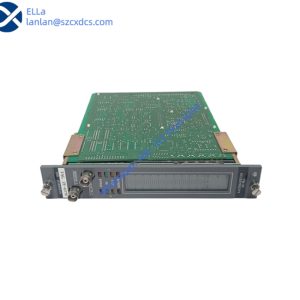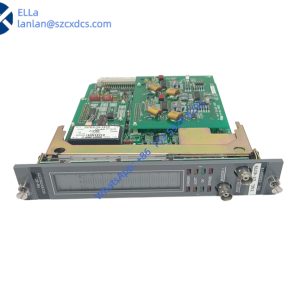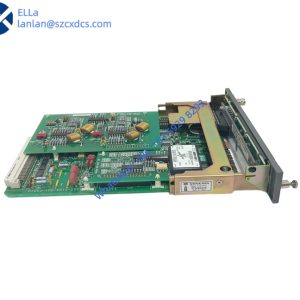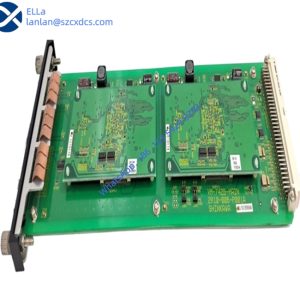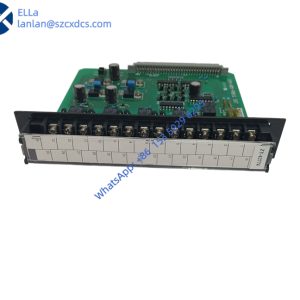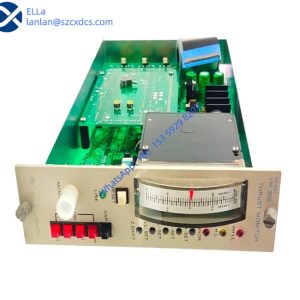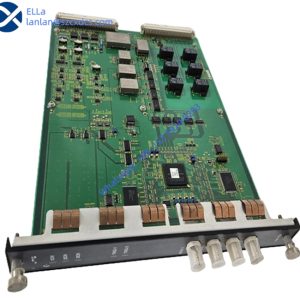
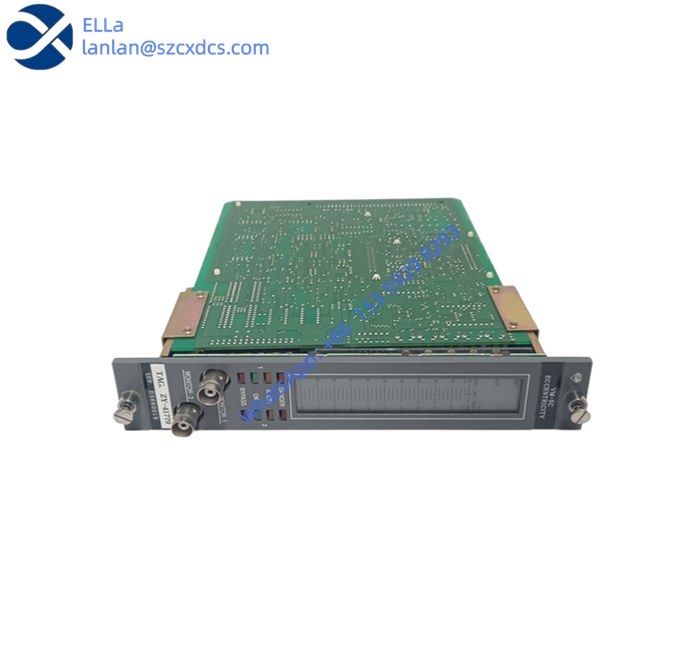
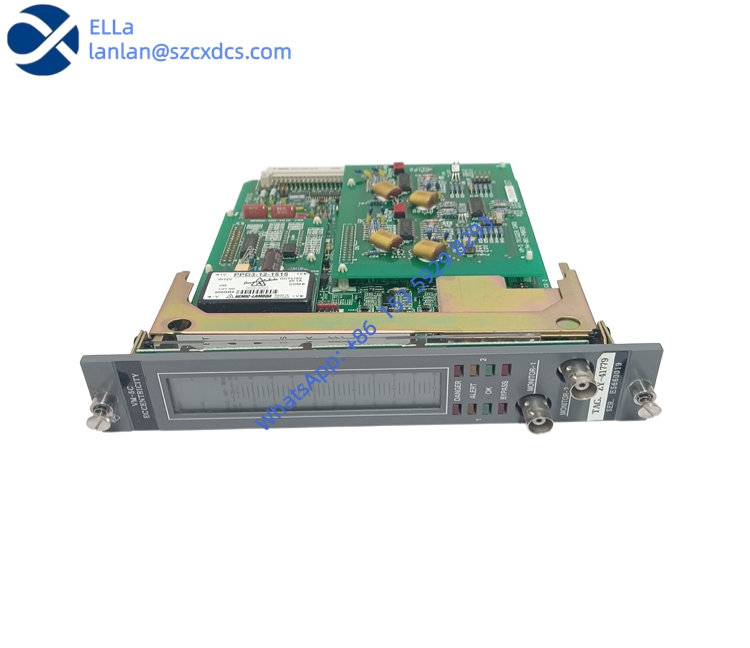
Shinkawa VM-5G0-2 Dual Channel Shaft Vibration Monitoring Module
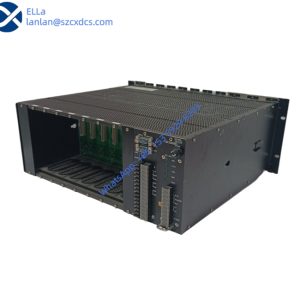
VM-5G0-2 is a Japanese Shinkawa VM-5 series TSI dual channel shaft vibration monitoring module that complies with API-670 rotating machinery protection standards. It is a plug-in module that is compatible with VM-5H3 and VM-5W1 racks;
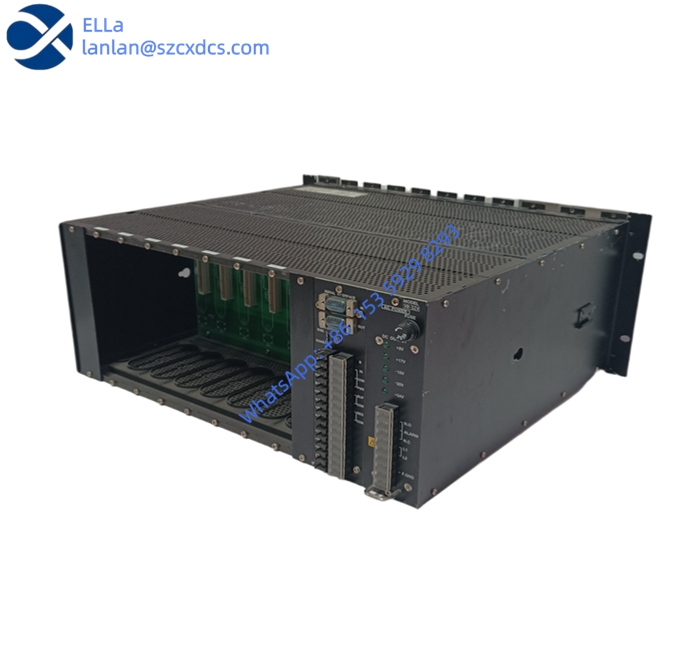
Function: VM-5G0-2 mainly receives signals from two eddy current approaching probes and measures the peak to peak radial shaft vibration of the rotor; Complete signal conditioning, filtering, and amplitude calculation; Output warning and dangerous relay dry contacts, and send them to the ETS interlocking system to achieve vibration over limit protection; Output 4-20mA analog signal and upload it to DCS for status monitoring; The BNC interface on the panel outputs the original vibration waveform and supports fault diagnosis and analysis; VM-5G0-2 is equipped with self checking for sensor disconnection and short circuit faults, providing vibration protection measurement for steam turbines and centrifugal compressor units.
————————Shenzhen Changxin Automation Equipment Co Ltd -————————
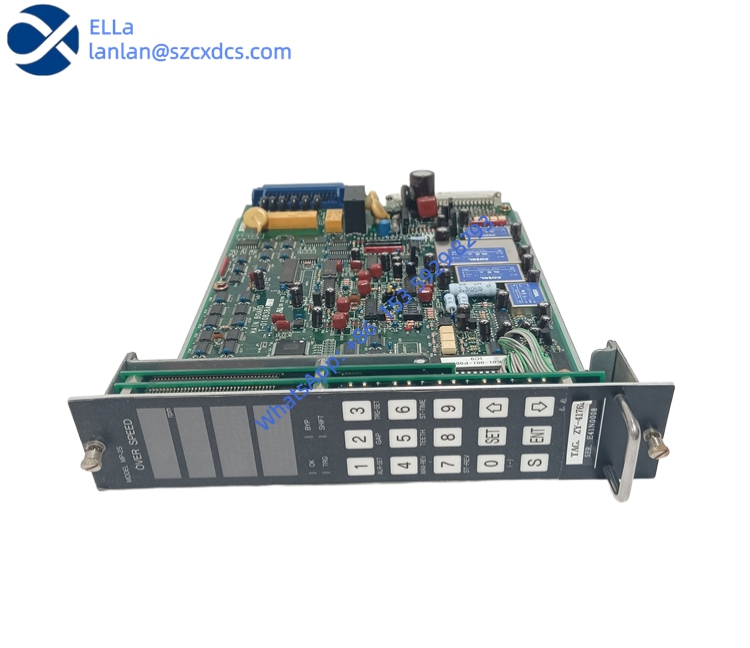
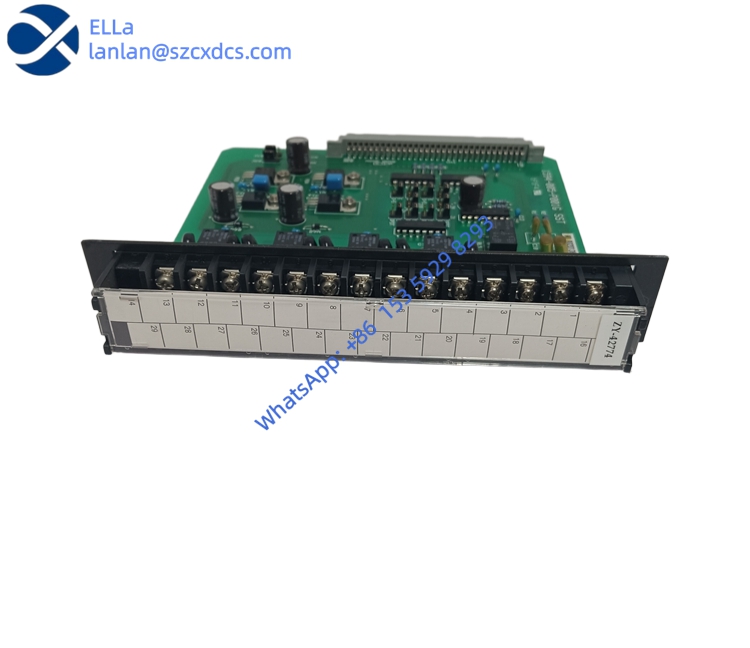
Products that have been released are welcome for consultation. Due to the wide variety of models, we were unable to upload physical images one by one!
Shinkawa VM-5G0-2 Dual Channel Shaft Vibration Monitoring Module
Parameter Specifications
| Parameter | Value |
|---|---|
| Model | VM‑5G0‑2 |
| Product family | VM‑5 Series TSI System |
| Module type | Dual‑channel shaft vibration monitor |
| Input channel | 2 channels |
| Sensor type | Eddy‑current proximity probe(FK‑202F / VK‑202A) |
| Measuring range | 0‑1000 μm p‑p configurable |
| Accuracy | ±0.5% F.S. at 25℃ |
| Frequency filter | HPF/LPF configurable |
| Analog output | 4‑20 mA per channel |
| Dynamic signal output | BNC interface |
| Relay output | Alert / Danger dry contact for each channel |
| Contact rating | 250 V AC / 30 V DC, 2 A |
| Sensor fault detection | Probe break / short‑circuit detection |
| Power supply | Supplied by rack backplane 24 V DC |
| Hot‑swap | Hot‑swappable |
| Mounting | VM‑5H3 / VM‑5W1 rack slot |
| Operating temperature range | 0 ~ +65 ℃ |
| Storage temperature range | ‑20 ~ +70 ℃ |
| Relative humidity | 5‑95% non‑condensing |
| Dimension(W×H×D) | 28 ×132 ×225 mm |
| Weight | 0.70 kg |
| Origin | Japan |
| Standard compliance | API 670 |
Product Recommendation:
UAD155A0111 3BHE029110R0111 ABB Excitation high-speed I/O module
ABB 3BHB030310R0001 5SHY4045L0006 3BHE039203R0101 GVC736CE10 IGCT series power module
GE Mark VIe Series IS220PCNOH1B CANopen Communication I/O Module
T8461C | ICS TRIPLEX Trusted TMR Digital Output Module
GDB021BE01 HIEE300766R0001 Multi-channel Current Acquisition Module
ABB 3BHB030310R0001 5SHY4045L0006 3BHE039203R0101 GVC736CE10 IGCT series power module
PM866A 3BSE076359R1 ABB 800xA System Core Processor Unit (CPU)
PM511V16 3BSE011181R1 ABB Digital signal processing control board
PM891 | 3BSE053240R1 | ABB Central Processing Unit (CPU) Module
3BHE014070R0101 | PPC905AE101 | ABB PLC logic controller board
ABB CI860K01 3BSE032444R1 CI860K01 Implement fieldbus interface function
WOODWARD 9907-1183 505E Series Steam Turbine Digital Speed Control Controller
Woodward GS16 Series 9908-1501 Electric Gas Control Valve
Eaton MTL8000 Series 8922-RB-IS Railbus Bus Isolation Module
Shinkawa VM-701B VM-7 Series Vibration/Displacement Monitoring Module
Shinkawa VM-742B1-5 upper network communication module
VM-5G0-2 Product Features
- The dual channels are independent of each other, and the range, filtering, and alarm thresholds can be set separately. They can simultaneously monitor the vibration of two radial measuring points on the same rotor.
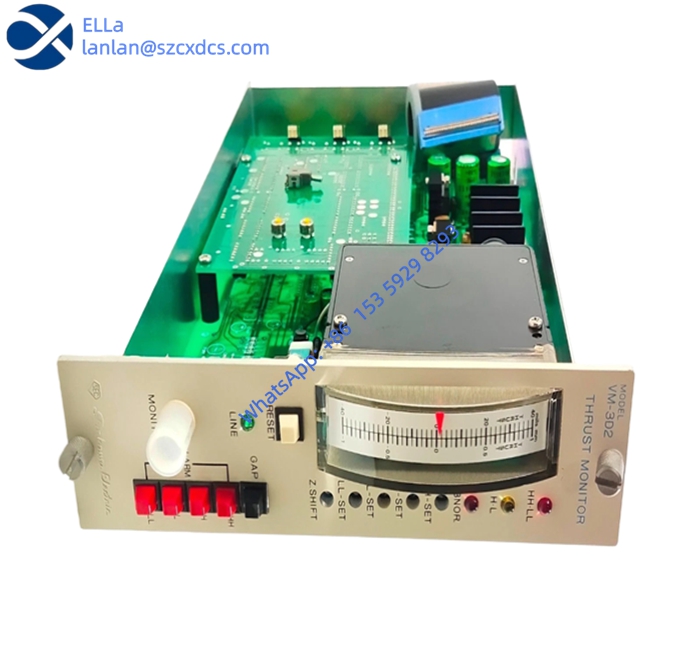
- Panel configuration with digital reading and light column display, allowing for direct reading of vibration amplitude on-site; By relying on panel buttons and dip switches to complete parameter settings, there is no need for upper level configuration software.
- High and low-pass filtering can be configured on-site and adapted to different speed units to filter out invalid interference signals.
- Each channel has two independent relay alarm outputs, and the relay can choose between normally open/normally closed modes; The alarm delay can be adjusted to avoid false alarms during unit start-up and shutdown.
- Support hot swapping, the cabinet can be continuously powered on to replace modules without affecting the protection function of other modules in the rack.
- Capable of detecting probe breakage and short circuit faults; The BNC interface outputs the original vibration waveform, and external instruments can be used for vibration fault analysis during maintenance.
- Support the first fault locking memory function, making it convenient to locate the channel that triggers the alarm first.
- The old generation TSI hardware will no longer be selected for new projects, and will only be used for in-situ spare parts replacement of existing VM-5 systems.
Usage Scenarios
- TSI system for steam turbine units in thermal and gas-fired power plants, online monitoring and interlocking protection of rotor radial shaft vibration.
- Petrochemical turbine centrifugal compressor unit, key unit shaft vibration exceeding limit alarm, signal connected to ETS protection circuit.
- Large rotating equipment for oil refining and coal chemical industry, with a vibration of 4-20mA analog signal sent to the DCS system for equipment status monitoring.
- Replacement of old equipment spare parts for Shinkawa VM-5H3 and VM-5W1 racks, reusing existing probes and wiring.
- Unit maintenance and debugging, collecting raw vibration waveforms through BNC interface, and conducting rotor fault analysis.